Stretching is a simple yet powerful way to improve your flexibility, relieve muscle tension, and promote overall wellness. Whether you spend a lot of time sitting or are looking to add some gentle movement to your daily routine, stretching at home can be a convenient and rewarding practice. This beginner’s guide will help you learn the basics of stretching safely and effectively, with easy-to-follow tips and routines.
Why Stretching Matters
Stretching helps lengthen muscles and improve range of motion in your joints. As we age or stay in one position for too long, muscles can become tight and less flexible. Stretching regularly can:
– Reduce stiffness and muscle soreness
– Improve posture and balance
– Enhance circulation and energy levels
– Decrease the risk of injury during physical activity
The good news is that you don’t need special equipment or a lot of time to get started.
Getting Ready to Stretch
Before you begin stretching, keep these tips in mind:
Warm Up First
Stretching cold muscles can cause strain. Warm up your body with 5–10 minutes of light activity such as walking, marching in place, or gentle arm swings. This helps increase blood flow and prepares your muscles.
Choose Comfortable Clothing
Wear loose or stretchy clothing that won’t restrict your movements.
Use a Supportive Surface
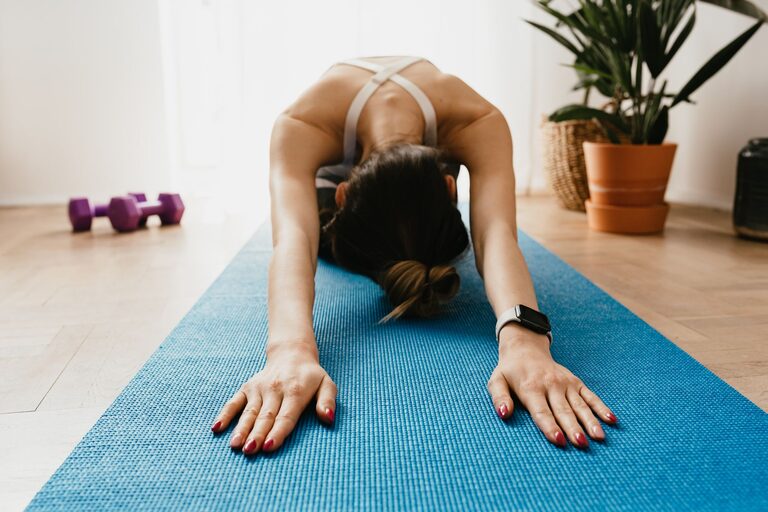
If you’re stretching on the floor, use a yoga mat, carpet, or towel to cushion your joints.
Breathe Deeply
Breathe slowly and deeply during each stretch to help your muscles relax and get the most benefit.
Basic Stretching Guidelines
To stretch safely, follow these simple guidelines:
– Move slowly and gently into each stretch, avoiding bouncing or jerky movements.
– Hold each stretch for 15–30 seconds.
– Stretch until you feel a gentle pull, not pain.
– Repeat each stretch 2–3 times if you like.
– Stretch both sides of your body evenly.
– Listen to your body and stop if you feel sharp pain or discomfort.
Beginner-Friendly Stretching Routine
Here’s a simple routine that targets major muscle groups. Spend about 10–15 minutes completing these stretches:
1. Neck Stretch
– Sit or stand tall.
– Slowly tilt your head toward your right shoulder until you feel a stretch on the left side of your neck.
– Hold for 20 seconds, then switch sides.
2. Shoulder Rolls
– Sit or stand with your arms relaxed at your sides.
– Roll your shoulders forward in a circular motion 10 times, then backward 10 times.
3. Chest Opener
– Clasp your hands behind your back.
– Straighten your arms and gently lift your chest while squeezing your shoulder blades together.
– Hold for 20 seconds.
4. Side Stretch
– Stand with feet hip-width apart.
– Raise your right arm overhead and lean to the left, feeling a stretch along your right side.
– Hold for 20 seconds, then switch sides.
5. Seated Hamstring Stretch
– Sit on the floor with your legs extended straight.
– Slowly reach toward your toes while keeping your back straight.
– Hold for 20 seconds.
6. Quadriceps Stretch
– Stand near a wall for balance if needed.
– Bend your right knee and grab your ankle with your right hand, pulling your heel toward your buttock.
– Hold for 20 seconds, then switch legs.
7. Calf Stretch
– Stand facing a wall, placing your hands on the wall at shoulder height.
– Step your right foot back, keeping it flat on the floor, and bend your left knee.
– Hold for 20 seconds, then switch legs.
Tips to Make Stretching a Habit
– Pick a consistent time each day, such as in the morning or before bed.
– Combine stretching with other relaxing activities like listening to music or deep breathing.
– Track your progress and notice improvements in how your body feels.
– Don’t get discouraged if you feel stiff at first; flexibility improves gradually.
– Consider following guided stretching videos to stay motivated.
When to Avoid Stretching
Avoid stretching if you have:
– Acute injuries such as sprains or strains
– Severe joint pain or inflammation
– Certain medical conditions without doctor approval
If you’re unsure about any health concerns, consult a healthcare provider before starting a new stretching routine.
Final Thoughts
Stretching at home is an accessible way to care for your body and enhance your well-being. By dedicating just a few minutes each day to gentle stretches, you can improve your flexibility, reduce muscle tension, and boost your mood. Remember to move mindfully, listen to your body, and enjoy the process of becoming more flexible and relaxed.
Get started today with these simple stretches, and your body will thank you!
About the Author