
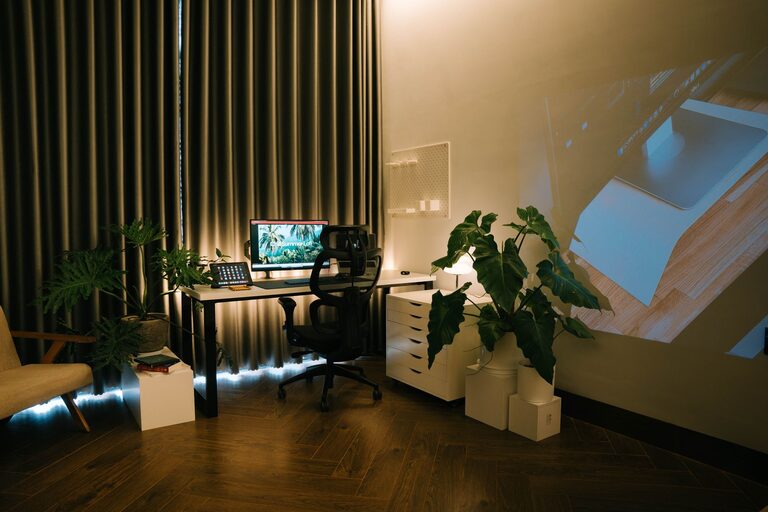
Creating a relaxing home workspace is essential for maintaining focus and reducing stress, especially when working remotely or spending long hours at your desk. A well-designed workspace can improve your mood, enhance productivity, and support your overall well-being. Whether you have a dedicated room or a small corner, here are practical tips to help you create a calming and efficient home office environment.
Choose the Right Location
Find a Quiet Spot
Select a space in your home that is relatively quiet and free from frequent interruptions. This might be a spare room, a corner of your living room, or even a nook near a window. The key is to have an area where you can concentrate without distractions.
Consider Natural Light
Natural light can help reduce eye strain and improve your mood. Position your desk near a window if possible, but avoid direct glare on your computer screen. Adding sheer curtains can soften the light and create a soothing atmosphere.
Invest in Comfortable Furniture
Ergonomic Chair
An ergonomic chair supports your posture and prevents discomfort during long working hours. Look for adjustable chairs with good lumbar support, cushioned seats, and armrests.
Functional Desk
Choose a desk that fits your available space and provides enough room for your computer, documents, and other essentials. Standing desks or adjustable desks are great options if you want to alternate between sitting and standing.
Create a Calm Color Palette
Use Soothing Colors
Colors influence mood and productivity. Soft, neutral shades like light blues, greens, or grays are calming and promote focus. Avoid overly bright or distracting colors in your workspace.
Add Personal Touches
Incorporate a few personal items like photos, artwork, or plants to make the space inviting without cluttering it.
Declutter and Organize
Keep Surfaces Clear
A tidy workspace helps clear your mind. Use trays, organizers, or storage boxes to keep papers, pens, and accessories in order.
Digital Organization
Besides physical tidiness, organize your digital files and emails regularly to minimize distractions.
Incorporate Greenery
Benefits of Plants
Adding plants to your workspace can improve air quality and create a relaxing environment. Choose low-maintenance plants like succulents, snake plants, or pothos that thrive indoors.
Placement Tips
Place plants where they receive sufficient light without obstructing your work area. A small plant on your desk or a taller one nearby can make a difference.
Control Lighting and Temperature
Task Lighting
Use adjustable desk lamps to provide focused light for reading and writing. Warm light bulbs are easier on the eyes than harsh fluorescent lighting.
Maintain Comfortable Temperature
Keep the room temperature comfortable, ideally between 68°F and 72°F (20°C to 22°C). Use fans, heaters, or air conditioners as needed to maintain a steady, comfortable climate.
Minimize Noise Distractions
Use Noise-Canceling Options
If your workspace is near noisy areas, consider noise-canceling headphones or white noise machines to block out distractions.
Soft Background Music
Some people find that soft instrumental music or natural sounds help enhance concentration. Test what works best for you.
Establish Daily Rituals
Start with a Clean Space
Begin each workday by tidying your desk. A fresh start can boost motivation.
Take Regular Breaks
Incorporate short breaks to stretch, hydrate, and rest your eyes. This practice helps maintain focus and reduces fatigue.
End-of-Day Routine
At the end of the workday, organize your workspace and create a to-do list for tomorrow to mentally disconnect and prepare.
Personalize Mindfully
Balance Between Function and Comfort
Add items that make you feel comfortable and motivated without overcrowding the space. A favorite mug, motivational quotes, or calming candles can add a pleasant touch.
Avoid Overstimulating Decor
Keep decorations minimal to prevent overwhelming the senses.
Use Technology Wisely
Cable Management
Use clips, sleeves, or boxes to organize cables and prevent tangling. A clean tech setup reduces visual clutter.
Essential Devices
Invest in good quality hardware like monitors, keyboards, and mice that reduce strain and improve efficiency.
—
Creating a relaxing home workspace takes some thoughtful planning and regular upkeep, but the benefits are worth it. A calm and organized environment can enhance your productivity, reduce stress, and even boost your creativity. Start small by adjusting lighting or decluttering, and gradually build a workspace that supports your best work every day.
About the Author